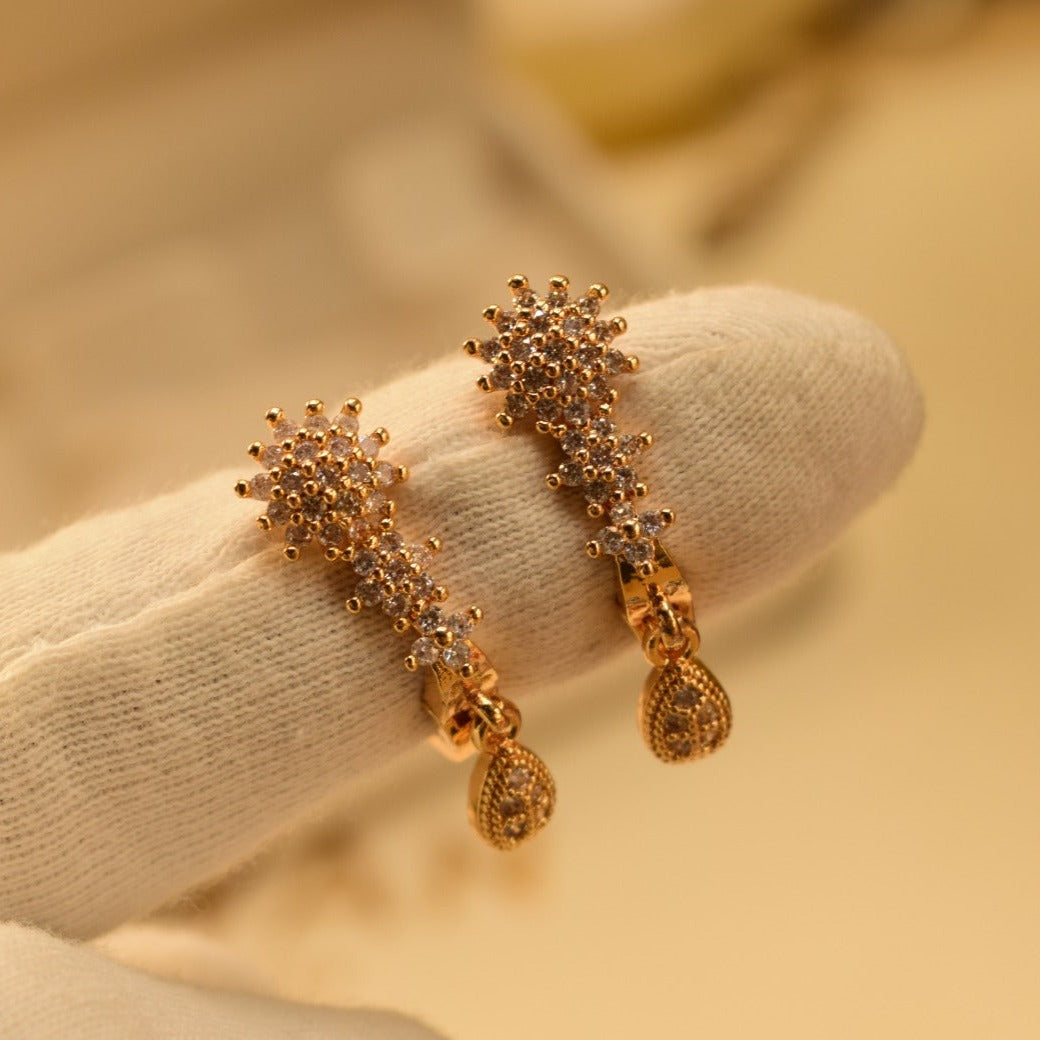
Man Made Diamonds Why They Matter
Most folks searching for a genuine diamond at less than top dollar might find lab grown options worth checking out loose lab diamonds. Identical in chemistry to earth extracted gems, these sparklers come from precise settings where tech shapes their formation. Far from fakes, they carry the same essence as traditional ones. What matters most lands right here – more carat or clarity within your limit. Savings open doors once shut. Shopping gives more choices now – especially for rings, earrings, or made-to-order designs. Starting out? Most people feel lost at first. Words like lab grown, synthetic, cultured, or created pop up everywhere. Too much talk turns a clear decision into something messy. Here’s what matters: one real fact stands out. When checked by experts, man-made stones look just like earth-mined ones – and last just as long.
How They Are Made
One way labs make diamonds is through a process called high pressure, high temperature. Another uses gases to grow crystals slowly inside a chamber.
- Under extreme heat, HPHT kicks in. Pressure builds up fast during the process. Intense conditions reshape materials slowly. Temperature climbs steadily throughout. Forces combine without warning here. The method relies on sheer intensity. Energy concentrates under these extremes
- A single layer at a time, diamonds form when carbon-filled gas is used in CVD. This method builds up the crystal slowly through vapor deposits. Each stage adds structure without needing mined stone. The process runs on precise conditions that guide growth naturally
Real diamonds come from either process. Once grown, they get shaped and smoothed just like those pulled from the earth. The key isn’t how it formed beneath lab lights or soil. Pay attention to how the completed gem looks when set. It’s the result that counts, not the origin story.
Buyers Pick Them
For most folks, picking these diamonds comes down to what works. Not dreams or trends – just sense.
- Better value for money
- Biggest diamond you can get without overspending
- Wide range of shapes and grades
- Easy online comparison
- Transparent certification options
A single-carat natural diamond can sit beside a lab-grown stone of equal size. When cuts and clearness match up, the man-made version usually costs less. Because of that difference, extra budget opens – maybe for better hue, a different band shape, or more sparkle through larger size.
Smart Buying How to Assess Quality
A stone’s sparkle fades fast when cut poorly, even if it is big. Carat number by itself tells too little story. Rely instead on how color, clarity, cut, and carat work together. Size means nothing without proper light play.
Cut
A shine like that beats all other factors. Begin instead with a grade labeled Excellent – or maybe Ideal – for cuts.
Color
A clear stone often ranks above others on the scale however a diamond that’s almost colorless might still shine just as well yet come at a lower price.
Clarity
Some tiny features hide unless you zoom in close. A top-tier clarity rating isn’t required for something that appears spotless. Most flaws stay invisible to the naked eye. Getting a flawless appearance doesn’t demand perfection under the lens.
Carat
A diamond’s heft means nothing if it lacks sparkle. Size matters less when the craftsmanship fades. When money runs tight, trim clarity before touching cut. Weight alone won’t make it shine.
Certification Matters
Start by seeking out grading reports when they’re offered – labs like IGI or GIA often provide them. You’ll get clear, third-party insights into the gem. Focus on these specifics:
- Measurements
- Cut grade
- Color grade
- Clarity grade
- Polish and symmetry
- Fluorescence
Apart from any summary, weighing up gemstones gets trickier.
Shapes That Look Bigger
Some shapes appear larger than others at the same carat weight.
- Oval
- Pear
- Marquise
- Emerald
Sparkle keeps round diamonds in demand. Yet when it comes to size for the price, shaped stones often go farther. Take an oval cut weighing one full carat – its outline tends to cover more space on the hand than a round stone of identical weight.
Buy Online Without Feeling Bad Later
Shopping online offers many choices. Still, having a method helps. Without one, it is easy to wander. A clear path keeps things moving. Decisions become simpler that way. Picking what matters grows easier. Focus shifts where it should. Choices feel less overwhelming. Clarity comes through structure. Results improve without trying harder.
1. Set a clear budget
Start by figuring out what you can truly afford. That way, spending won’t spiral when choices feel tough.
2. Start with shape. Pick one that fits what you need. Choose based on outline before anything else
Begin using choices that work best. Pick what fits right away instead of waiting.
3. Compare videos and photos
When possible, go for a full-circle view. Sometimes it shows what flat images miss.
4. Read return policies
Bought something that doesn’t fit? That’s okay. A reasonable time to send it back keeps things right. Not every shop does this well. When they do, you walk away calm.
5. Review certification details
Hold back on skipping the grading report. Buying lab grown diamonds online? Patience wins over rush, always.
Popular Beliefs That Cost You Minutes
Myth Fake Diamonds
Not fake. These stones are genuine diamonds.
Myth They Break Easily
Not true. A diamond’s resistance to scratching does not change.
Myth Unwanted
Not true. What’s driving growth is how shoppers man made diamonds now expect better deals along with more options. A shift started years back when people began comparing prices before deciding.
Myth Bigger Is Always Better
A small diamond can look dull if cut poorly. Yet a well-cut stone shines bright, even when tiny.
Selecting a Suitable Ring Setting
Your setting changes how the diamond looks.
- Solitaire keeps focus on the center stone
- Halo can increase visual size
- Three-stone adds presence
- Bezel offers strong protection
Living actively means a slim setting works well. Sometimes a rim holds the stone securely without getting in the way.
Resale Value and Future Planning
Most people curious about buying start by wondering what happens later. True, diamonds rarely pay off fast for the average person. Wear them because they matter to you, not because of profit hopes. Should trading up ever cross your mind, check if stores have paths to swap them later. Later on, certain stores might give you store credit for upgrading to a bigger gem. This benefit often counts more than what you could resell it for.
Avoid Paying Too Much
Before buying, try these methods
- Pick stones that are almost clear rather than the highest clarity options
- Select eye-clean clarity instead of flawless
- Prioritize cut over size
- Compare multiple sellers
- Buy just under milestone weights like 0.90 or 1.90 carats
Little changes add up fast when it comes to cutting costs.
People Who Might Want To Think About This
For those watching their spending, lab grown stones deliver better look per dollar without compromise. Yet another plus – they open doors for unique pieces, since options in cut and clarity go way beyond typical stock. Should shine matter most on a fixed plan, these gems quietly stand out as a smart path. Even so, choice leans personal when shape, size, or story drives the search.
Common Buyer Questions
Do man made diamonds test as real diamonds?
True, most standard testers will flag them as diamonds due to similar base traits – heat conductivity tends to match closely. While not identical in origin, their response under testing aligns well enough to cause confusion. Often, it’s thermal performance that tricks the device into a positive reading. Some tools can’t tell the difference unless they check additional markers beyond heat transfer. That similarity trips up basic verification methods regularly.
Can you insure a lab-created diamond ring?
True. You’ll need proof of purchase along with certification for coverage to apply. Most providers include these items when paperwork is complete.
How many times should I compare before buying?
One way to start: gather four or so matching stones. When placed next to each other, differences show up quick – suddenly it’s clear what’s worth more.