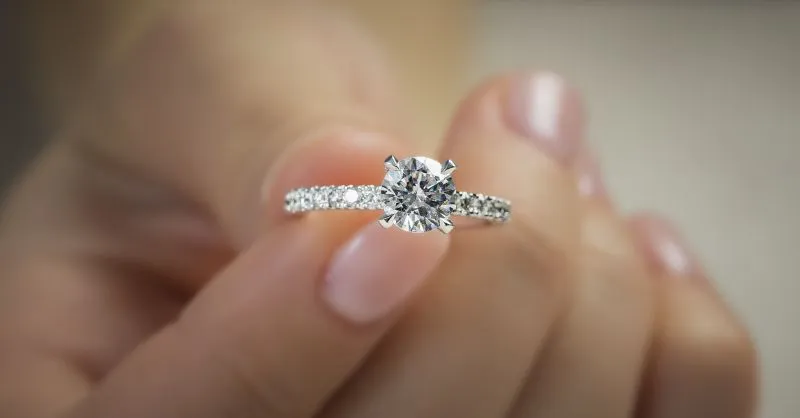
A lab diamond tennis bracelet combines a continuous line of diamonds with a flexible setting designed to sit comfortably around the wrist.
For buyers evaluating diamond jewellery in Australia, identifying questions of value are unlikely to relate solely to appearance. Issues of quality, total carat weight, setting construction, metal choice and grading information can all influence both the look and the performance of the bracelet over time.
A good choice of bracelet will have to balance considerations of appearance with practical characteristics such as clasp security, stone consistency and general comfort during wear. Becoming familiar with these factors will make it easier to distinguish between similar-looking bracelets.
What Makes a Tennis Bracelet Different?
A tennis bracelet typically has diamonds that are set in a continuously unbroken row or nearly continuously unbroken row going around the wrist in a pattern, with spaces between each setting that allows the bracelet to flex like a bracelet rather than a rigid bangle.
Diamonds in a tennis bracelet are most commonly round brilliants, but can be in other forms as well. In many ways, this style of bracelet is simple in its design; however, this is where its beauty lies, because it’s all about balance and consistency. Because so many precious stones are being showcased at one time, the slight difference in color, size or cut is more noticeable than it would be in say, an engagement ring.
The settings themselves are just as important, each diamond needs to be secured in such a way that it not only keeps the stone safe but doesn’t add unneccessary thickness to the bracelet.
Are Lab-Grown Diamonds Suitable for Tennis Bracelets?
Yes. Lab-grown diamonds possess the same crystal structure and carbon composition as diamond, but differ in origin. They are formed in a controlled environment, rather than being mined from the earth.
Two primary production methods are High Pressure High Temperature, known as HPHT, and Chemical Vapour Deposition, or CVD. Neither of which produces a better diamond. The individual stone still requires evaluation for elements such as cut, colour, clarity and carat.
Lab-grown diamonds are also distinct from diamond simulants such as cubic zirconia and moissanite.
For a bracelet with multiple stones, lab-grown diamonds may allow buyers to consider larger total carat weights or particular quality combinations, while comparing different jewellery options.
How the 4Cs Apply to a Tennis Bracelet
The familiar 4Cs still apply, but they need to be viewed through the prism of the multi-stone bracelet.
Cut
The cut of a faceted diamond affects its ability to reflect light. In the context of a tennis bracelet, the light performance of the whole set is often more important than any individual stone.
Round brilliant cut diamonds are most common as they have been proven to have maximum brilliance when the ratio of the facets to the size of the diamond is correct.
Colour
Colour grading is a measure of how much colour or lack thereof there is in a stone according to the grading system used.
In the context of a tennis bracelet, the overall look is more important than the technical specifications, so aiming for the very top of the colour grading spectrum might be unwise. It is usually easier to match a neutral colour from one supplier with another, whereas two extreme colours placed next to each other will usually look ugly.
Clarity
Clarity is a measure of the degree of internal and external imperfections or inclusions as seen in the stone.
When it comes to bracelets worn on the wrist, very high levels of clarity are not always desirable, as the inclusions are hidden by clothing anyway. What is more important is that the stones have a similar appearance and level of finish.
Carat Weight
While carats measure the weight of the stone, not the size.
In relation to bracelets, it is worth remembering that carat weight is cumulative, meaning that the advertised number represents how much all of the stones on the bracelet weigh rather than an individual stone or diamonds as a whole.
Total Carat Weight Can Change the Look Dramatically
Two bracelets with the same length can look quite different if one uses more or larger diamonds.
A higher total carat weight may create a broader, more prominent line of stones, while smaller diamonds can produce a finer and more understated appearance.
Carat weight should therefore be considered alongside:
- bracelet length
- number of diamonds
- approximate stone dimensions
- setting width
- metal visibility
- overall bracelet profile
This is also why comparing total carat weight alone can be misleading. Stone proportions and setting design influence how much diamond surface is visible on the wrist.
Setting Security Matters as Much as Diamond Quality
A tennis bracelet contains many lab diamonds stones, so setting construction deserves careful attention.
Common designs use prongs or some other small metal structures to hold each diamond in place. The bracelet itself should be flexible but keep the gems secure.
Before making a purchase, examine the bracelet to see how it fastens and if there is an extra safety measure built into the closure mechanism. Some have a safety latch or another additional measure.
It is important for a bracelet to have a secure clasp as they tend to move around an awful lot and can easily catch on desks, clothing, bags and other objects.
Choosing the Right Precious Metal
Diamond tennis bracelets are commonly made in white gold, yellow gold, rose gold or platinum.
The white metals can create the illusion of a continuous appearance around the colourless or near-colourless diamonds, whereas yellow or rose gold offer more contrast and appeal to the buyers that want the metal to stand out.
The choice of metal can also affect the weight, maintenance and how the bracelet will complement rings, watches or other jewellery.
There is no universally correct option. The better choice depends on personal style, budget and how frequently the bracelet will be worn.
Should Every Diamond Have a Separate Grading Report?
Not necessarily.
A bracelet may well include dozens of relatively small diamonds, so individual reports on every stone may not be practically necessary. Grading reports are more typical for significant individual diamonds.
If a grading is given, it may include details such as carat weight, colour, clarity, measurements, polish, symmetry, fluorescence and laboratory-grown origin.
Recognised laboratories such as IGI and GIA grade laboratory-grown diamonds, but a grading report should not be confused with an appraisal or resale guarantee. It is more a description of the nature of the diamond according to the laboratory’s methodology rather than a guarantee of further financial value.
What to Check Before Buying
Before comparing final prices, review the specifications behind the bracelet.
Check:
- whether the diamonds are clearly identified as laboratory-grown
- total carat weight and bracelet length
- diamond shape and approximate size consistency
- stated colour and clarity information
- precious-metal type and purity
- clasp construction and safety features
- return conditions
- warranty or servicing information where offered
- whether resizing or length adjustments are available
- whether any grading documentation applies to the individual stones or the jewellery as a whole
Australian shoppers researching a lab diamond tennis bracelet can also compare how different retailers present stone specifications, metal options and bracelet construction before deciding which combination suits their priorities.
Fit and Everyday Wear Deserve Attention
A tennis bracelet should be loose enough to let the wrist move freely but not so loose that it flips over and around multiple times.
Too tight and it will feel uncomfortable all the time, but if it is too loose it can cause excess flipping and catching.
Buyers should also take into consideration how often they intend to wear the bracelet. Someone who wears it constantly will put more emphasis on secure settings and basic maintenance than someone who only wears it occasionally.
Diamond jewellery tends to attract lotions, oil, and other debris that can dull the sparkle of the setting, so a gentle cleaning and regular inspection by a professional jeweller can keep the bracelet sparkling, and spot any problematic loosening of the prongs or clasps before they become serious issues.
Compare the Whole Bracelet, Not One Specification
A strong comparison looks beyond the overall carat weight.
A larger total carat weight could mean that the bracelet uses bigger stones, but with a lower colour or clarity grade, or a smaller total carat weight, but with a closer colour or clarity match. Another factor is precious-metal weight in the bracelet itself, and the overall design, including the type of clasp.
The value depends on the buyer’s priorities, such as centimetres, size, evenness of the stone, design preferences, precious-metal choice or the importance of proper documentation, and the overall budget.
There are several options to consider in Australia, as the online store novitadiamonds.com is one of the leading manufacturers of lab-grown diamond jewellery, and other local retailers may be approached for their expertise in reviewing the specifications and possible designs.
The most important advice would be to compare like with like, and understand that the total carat weight is only one characteristic, which should be considered along with the bracelet length, the type of stone, its quality, the setting, precious-metal components, and the overall terms provided by different retailers.