


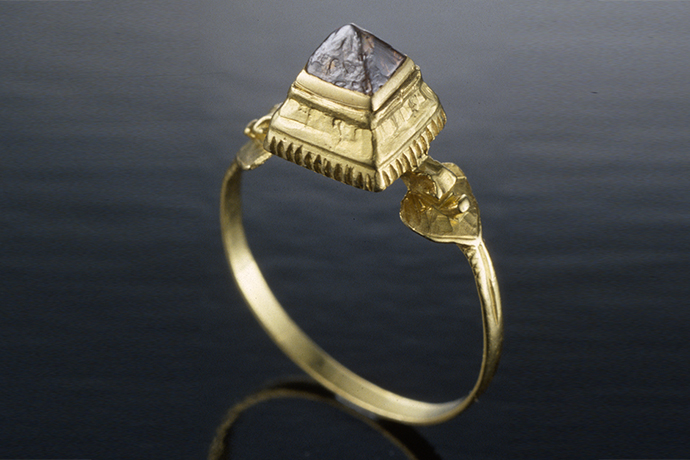
Diamonds have long been loved as symbols of beauty, love, and timeless beauty. Whether adorning engagement rings, luxury watches, or excessive-end earrings, diamonds preserve a completely unique place in human way of life. In latest years, the surge in popularity of lab created diamonds has converted the diamond market, providing clients an moral and regularly greater inexpensive alternative to conventional mined stones. To make informed choices approximately those gems, understanding how to read a diamond chart and the nuances of lab grown diamonds is vital.
In this article, we discover the idea of diamond charts, delve into the world of lab created diamonds, and offer insights into making clever, confident purchases.
What Is a Diamond Chart?
A diamond chart is a visual or tabular device utilized by jewelers, gemologists, and clients to evaluate the quality, cost, and characteristics of a diamond. It usually shows various parameters that define a diamond’s typical grade, including the famous “Four Cs” — Cut, Color, Clarity, and Carat weight. These elements serve as a everyday language for evaluating diamonds, assisting buyers understand what makes one stone exceptional or more treasured than some other.
For all and sundry considering lab grown diamonds, a diamond chart may be an integral aid. It simplifies the complexities of diamond grading, presenting a clean review that bridges the space between technical jargon and practical know-how.
The Four Cs: Foundations of Diamond Evaluation
Cut
The cut is possibly the maximum crucial component influencing a diamond’s sparkle and brilliance. It refers to how properly a diamond’s sides have interaction with light. Diamonds may be reduce into various shapes — spherical, princess, cushion, emerald, amongst others — but the best of the cut impacts how a lot mild is reflected back to the attention. A properly-reduce diamond well-knownshows top notch brilliance and fire, irrespective of its coloration or clarity grades.
Color
Diamonds are graded on a coloration scale from D (colorless) to Z (mild yellow or brown). Completely colorless diamonds are uncommon and fantastically prized. The less shade a diamond has, the more precious it typically is. However, this scale applies often to white diamonds. Fancy colored diamonds (like blue, purple, or yellow) follow a one-of-a-kind grading machine due to their particular colors.
Clarity
Clarity measures the presence of internal flaws (inclusions) or floor blemishes. While maximum inclusions are microscopic, they have an effect on the stone’s look and durability. Clarity grades variety from Flawless (no inclusions seen below 10x magnification) to Included (wherein imperfections are visible to the bare eye).
Carat Weight
Carat refers back to the weight of the diamond, with one carat equaling 200 milligrams. Larger diamonds are rarer and normally extra precious, but length alone doesn’t determine splendor or pleasant.
How Diamond Charts Apply to Lab Created Diamonds
Lab created diamonds, also known as synthetic or cultured diamonds, are chemically, bodily, and optically same to mined diamonds. They are produced in controlled environments the use of advanced generation which includes High Pressure High Temperature (HPHT) or Chemical Vapor Deposition (CVD). This innovation lets in for the advent of real diamonds with out the environmental and moral issues related to conventional mining.
Because lab grown diamonds have the equal houses as natural diamonds, diamond charts and grading standards observe similarly to them. When analyzing a diamond chart for lab created diamonds, clients should look for the identical Four Cs and first-rate certifications from legitimate gemological laboratories including the GIA (Gemological Institute of America) or IGI (International Gemological Institute).
Benefits of Using a Diamond Chart for Lab Grown Diamonds
- Transparency and Confidence: A exact diamond chart presents transparent records, enabling buyers to apprehend precisely what they’re purchasing. This reduces uncertainty and builds believe in the product.
- Comparison Tool: Whether deciding on between two stones or weighing alternatives from distinct sellers, diamond charts allow for side-by way of-side comparisons of best factors.
- Better Value: By expertise the grading, clients can prioritize features that depend maximum to them, whether that’s an first rate cut or a larger carat weight, supporting them get the great value for his or her price range.
Environmental and Ethical Advantages of Lab Created Diamonds
Lab created diamonds have come to be increasingly popular in part because of their moral and environmental advantages. Mining natural diamonds often entails full-size land disruption, resource consumption, and from time to time elaborate labor practices. In evaluation, lab grown diamonds are created with minimal environmental impact and without concerns approximately struggle or “blood” diamonds.
Because the chemical make-up and visual attraction are the same, many customers locate lab grown diamonds provide an appealing aggregate of splendor, responsibility, and affordability. Diamond charts assist consumers verify excellent without compromising on their values.
Decoding Certifications and Reports on Diamond Charts
When purchasing for diamonds—whether natural or lab created—certification is key. Trusted labs difficulty certain reviews that accompany diamonds, outlining their specific traits. These reviews commonly encompass:
- A grading precis that suits the diamond’s Four Cs to standardized scales.
- Inclusion diagrams showing the area and kind of flaws.
- Details approximately fluorescence, that may affect the diamond’s appearance below UV light.
- Confirmation that the diamond is herbal or lab grown, clarifying its origin.
Using a diamond chart in tandem with those reviews can assist buyers keep away from misleading claims and make purchases based on confirmed information.
Practical Tips for Using a Diamond Chart When Buying Lab Created Diamonds
Know Your Priorities
Decide which diamond characteristics matter most — do you need a larger stone with barely decrease readability, or the best viable coloration grade? Diamond charts will let you weigh these elements systematically.
Don’t Overlook the Cut
Even amongst lab grown diamonds, a superior reduce will beautify brilliance dramatically. It’s really worth making an investment in the fine cut grade your budget allows.
Ask for Certification
Always request professional grading reviews to accompany any diamond purchase. This ensures authenticity and accurate fine illustration.
Compare Prices
Lab created diamonds normally price 20-forty% less than mined stones of equal great. Use diamond charts to verify you’re getting a truthful rate based at the Four Cs.
Inspect the Diamond in Person or through High-Quality Images
Seeing the diamond firsthand or via targeted photos can screen characteristics that charts and reports might not absolutely capture.
The Future of Diamonds: Embracing Innovation and Tradition
The diamond industry is at an thrilling crossroads where culture meets innovation. Lab created diamonds constitute a sustainable, ethical shift in how we value and supply those treasured gem stones. Yet, the time-tested tools like diamond charts stay vital, supplying readability and self belief to buyers navigating this evolving landscape.
By studying a way to interpret diamond charts for lab created diamonds, clients can expectantly pick out stones that align with their tastes, values, and budgets — proving that brilliance comes no longer handiest from the diamond itself however additionally from knowledgeable selection-making.
Conclusion
Navigating the diamond marketplace these days requires extra than simply a watch for beauty; it demands know-how and information of what makes a diamond definitely valuable. A diamond chart is a crucial useful resource that breaks down complicated grading records into an accessible format, empowering consumers to evaluate first-class appropriately. When it comes to lab created diamonds, those charts are simply as crucial, making sure that the ethically produced gemstones meet excessive requirements of excellence.
With the rise of lab grown diamonds, consumers have interesting picks that marry aesthetic appeal with environmental focus. By leveraging diamond charts, certification reports, and personal choices, everyone can discover a extraordinary diamond that tells their specific story—without compromise.
If you’re thinking about a diamond buy, whether or not mined or lab created, embracing those equipment will help you shine as brightly as the stones you pick.