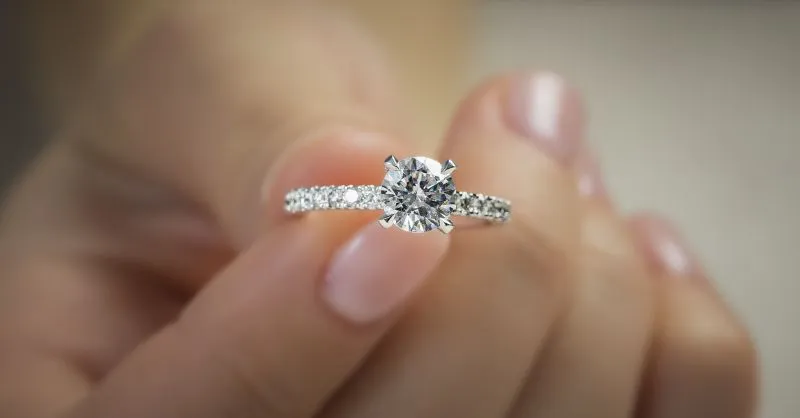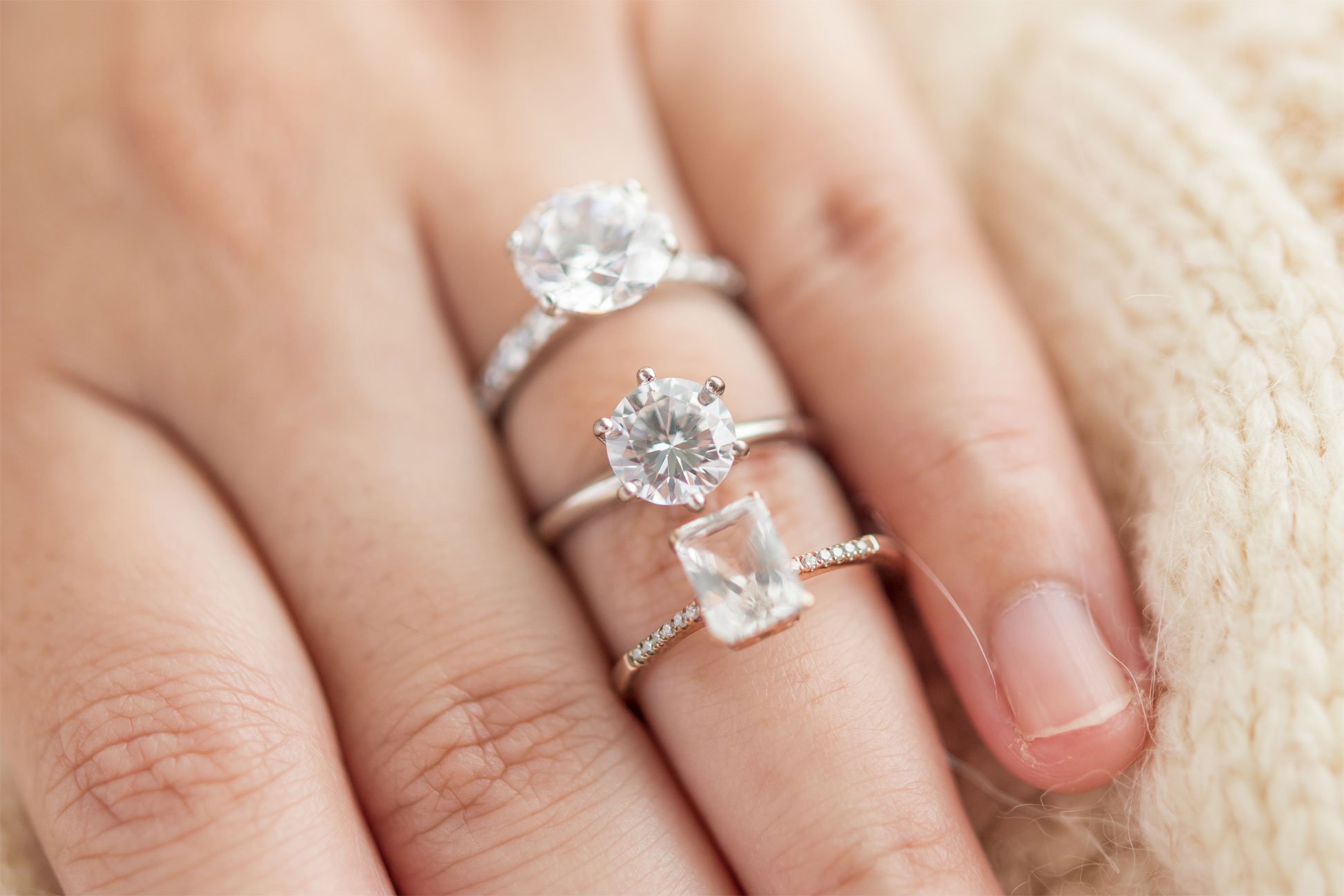
When it comes to fine jewelry, especially engagement rings, few gemstones rival the allure of the diamond. Known for their unmatched brilliance and timeless appeal, diamonds have long been a symbol of luxury and everlasting love. However, alternative gemstones like moissanites have grown in popularity, particularly among buyers seeking affordability without sacrificing sparkle. Additionally, advances in technology have made lab-grown diamonds a viable and ethical alternative to natural diamonds. Understanding the differences between these options is key for anyone making a gemstone purchase.
Natural Diamonds: The Classic Choice
Natural diamonds are formed deep within the Earth over millions of years, resulting in a crystal structure of pure carbon. Their hardness—ranking 10 on the Mohs scale—makes them ideal for daily wear. Diamonds are valued based on the four Cs: carat, cut, color, and clarity. A well-cut diamond reflects light brilliantly, giving the stone its iconic sparkle.
The allure of diamond vs moissanites extends beyond aesthetics. They carry historical and cultural significance, often symbolizing status, wealth, and eternal love. However, natural diamonds can be expensive, especially those of high quality. Ethical concerns related to mining practices and environmental impact have also prompted buyers to consider alternatives.
Moissanites: Sparkle Meets Affordability
Moissanites, discovered by Nobel Prize-winning chemist Henri Moissan in 1893, are composed of silicon carbide. Originally found in meteorites, natural moissanites are exceedingly rare, so nearly all moissanites used in jewelry today are lab-created.
Moissanites are valued for their brilliance and fire—often exhibiting more sparkle than diamonds due to their higher refractive index. They are also extremely durable, with a Mohs hardness of 9.25, making them suitable for daily wear. One of the most attractive features of moissanites is their affordability. Buyers can get a larger stone at a fraction of the cost of a comparable diamond.
While moissanites are visually similar to diamonds, they do have differences. Under certain lighting, moissanites can display a rainbow-like effect, and their color may have subtle hints of yellow or gray in larger stones. Despite these differences, moissanites remain a popular choice for those seeking an ethical and budget-friendly alternative to natural diamonds.
Lab-Grown Diamonds: The Ethical and Affordable Alternative
lab made diamonds, also known as synthetic or cultured diamonds, are chemically and physically identical to natural diamonds. They are created using high-pressure high-temperature (HPHT) or chemical vapor deposition (CVD) methods, replicating the natural formation process.
These diamonds carry the same hardness, brilliance, and sparkle as mined diamonds and can be graded using the same standards of carat, cut, color, and clarity. Lab-grown diamonds are generally more affordable than natural diamonds and provide a more sustainable and ethical option, as their production does not involve mining or the associated environmental concerns.
Choosing Between Diamonds, Moissanites, and Lab-Grown Diamonds
Choosing the right gemstone depends on personal priorities. If tradition, rarity, and long-term resale value are paramount, natural diamonds remain unmatched. For those seeking maximum sparkle on a budget with ethical considerations, moissanites are an excellent choice. Meanwhile, lab-grown diamonds offer a middle ground, providing the same prestige and appearance as natural diamonds at a lower price point and with a smaller environmental footprint.
In summary, the modern jewelry market offers a spectrum of options that cater to different tastes, budgets, and ethical concerns. Understanding the unique properties of diamonds, moissanites, and lab-grown diamonds empowers buyers to make informed choices and select the gemstone that truly reflects their style and values.